


SPF Testing Explained: Technical Implications for Product Claims
Global expertise, personal touch
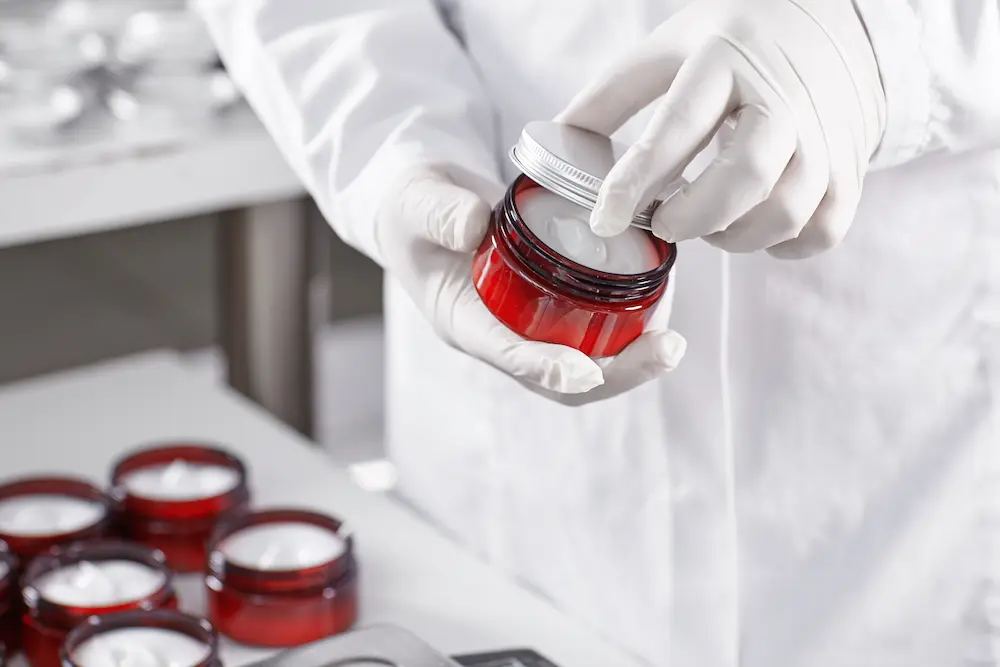

For cosmetic manufacturers, an SPF 50 label represents a technical validation of UVB protection. However, clinical laboratory results may differ from real-world efficacy due to application variables. The sunscreen SPF number comes from a controlled laboratory process, not real-world conditions. In fact, studies have shown that what’s written on the label doesn’t always reflect what happens on your skin during consumer usage environments.
This technical overview examines:
- How SPF testing is performed in labs.
- Why lab results often differ from real-world outcomes.
- The global standards shaping sunscreen claims.
- The future of SPF testing and what it means for consumers and skincare brands.
By the end, you’ll not only understand the science behind SPF but also know how to choose and apply sunscreen more effectively.
What Does SPF Really Mean?
SPF (Sun Protection Factor) measures how well a sunscreen protects against UVB rays, the primary cause of sunburn. For example:
- SPF 15 blocks about 93% of UVB.
- SPF 30 blocks about 97%.
- SPF 50 blocks about 98%.
It’s important to note that SPF is not linear protection. SPF 50 isn’t “double” SPF 25 - it’s only a few percentage points higher in UVB blockage.
Even more, SPF only reflects UVB defence. To get full protection, look for “broad spectrum” sunscreens that also cover UVA rays, which penetrate deeper and contribute to skin aging and long-term risks like melanoma (American Cancer Society).
Pro insight: Dermatologists often explain SPF like a “time multiplier.” If you’d normally burn in 10 minutes, SPF 30 theoretically gives you 300 minutes before burning. But that only works if you apply enough - and most people don’t.
Sunscreen SPF Testing Methodologies and Protocols
In-Vivo SPF Testing (ISO 24444, FDA Protocol)
Traditional SPF testing is done in-vivo - on human volunteers under controlled conditions:
- A small area of skin is exposed to UV light with and without sunscreen.
- Scientists calculate the Minimal Erythema Dose (MED) - the lowest UV dose that causes redness.
- The SPF number is the ratio between protected and unprotected skin.
In-Vitro SPF Testing Methodologies
Modern labs also explore in-vitro methods using UV spectrophotometry. Here, sunscreen is applied to a special substrate, and instruments measure UV absorption. These methods are faster, less invasive, and reduce reliance on human subjects, but regulators like the FDA have not yet fully accepted them (NIH review).
Additional Testing Parameters
Besides SPF itself, sunscreens are tested for:
- Water resistance (40 or 80 minutes).
- Broad-spectrum coverage (critical wavelength ≥370 nm).
- Stability and safety: repeat-insult patch testing (RIPT) and microbiology screening.
If you’re developing a sunscreen, third-party validated testing is non-negotiable. The Eurofins Photobiology network of laboratories provides accredited testing to ensure claims stand up to regulation and consumer trust.
Lab Results vs. Real-World Protection
Here’s where things get tricky: sunscreen SPF testing assumes 2 mg/cm² application, evenly spread. In daily life, most people apply half - or even a quarter - of this amount.
Factors that reduce real-world SPF:
- Applying too little.
- Missing areas like ears, scalp, or feet.
- Sweating, swimming, or towel drying.
- Forgetting to reapply every 2 hours.
A striking example: independent testing by Choice in USA found some sunscreens labeled SPF 50+ delivered as little as SPF 24 when tested. This variability underscores why brands must ensure batch consistency and why consumers shouldn’t treat SPF labels as absolute guarantees.
Global Sunscreen Testing Standards Compared
Regulatory agencies worldwide set slightly different rules for SPF testing:
|
Region |
Standard |
Notes |
|
USA (FDA) |
In-vivo only |
In-vitro not yet accepted. Broad-spectrum requires critical wavelength ≥370 nm. |
|
Australia (TGA) |
AS/NZS 2604:2021 |
Known for strict recalls if products fail independent testing. |
|
EU |
ISO 24444 (SPF), ISO 24443 (UVA/PPD) |
Mix of in-vivo SPF + in-vitro UVA testing. |
|
Japan/Korea |
PPD and PA rating systems |
Emphasis on UVA protection alongside SPF. |
For multinational brands, this patchwork means additional testing and label adjustments in each market.
The Future of SPF Testing
Science is pushing sunscreen evaluation beyond human testing. In-vitro methods and mathematical modelling are advancing rapidly:
- Spectrophotometric analysis can assess UV absorption profiles.
- Digital modeling may predict UVA/UVB protection without clinical trials.
- Regulatory bodies are reviewing whether these methods can replace invasive human testing.
In 5–10 years, SPF testing could be faster, cheaper, and more reproducible. That shift will not only streamline compliance but also benefit consumers by ensuring greater accuracy.
Technical Application Variables and Protocol Standardisation
No matter how sophisticated SPF testing becomes, correct application is still the most important factor.
Technical considerations for clinical application:
- Apply two finger-lengths of sunscreen for face and neck.
- Use a shot-glass amount (~30 ml) for full body coverage.
- Reapply every 2 hours, and immediately after swimming or sweating.
- Always choose broad-spectrum, water-resistant formulas.
- Check recall lists or independent test results before purchase.
Conclusion
SPF testing is a critical safeguard for consumer protection, but it’s not foolproof. The sunscreen SPF number you see on a label reflects ideal lab conditions - not everyday habits. That’s why applying enough sunscreen, reapplying often, and choosing broad-spectrum, tested products is essential.
For skincare brands, rigorous SPF testing isn’t just about compliance - it’s about consumer trust. Partnering with the Eurofins Cosmetics & Personal Care network of companies ensures product claims are supported by validated scientific data.
Let's Connect
We deliver quality in all of our work, providing accurate results on time.


