Eurofins US Food Announcements & News
Search >>

Watch our webinar for an introduction to Eurofins QTA’s Modeling as a Service (MaaS) offering, a flexible way for organizations to build, maintain, and improve chemometric models for FTIR and FTNIR analysis without committing to a full turnkey option. Whether you already have an IR program or are looking to start one, MaaS provides a scalable path that fits your needs and the level of support you are looking for. Original Airdate: April 16, 2026


Breeding improvements, shifting growing regions, climate variability, fertilizer practices, and processing changes can alter the balance of proteins, oils, moisture, and minor constituents in canola materials. Keep reading to learn how Eurofins can help you tackle these problems when they arise.
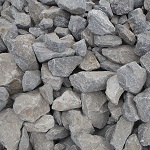
In this Case Study, learn how Eurofins QTA helped a client dramatically improve quality control, reduce waste, and optimize kiln performance.

Infrared spectroscopy is a powerful analytical tool for rapid, nondestructive measurement. But despite its advantages, IR often develops a reputation for being unreliable or not accurate as primary methods. Keep reading to learn more about how to build and validate a reliable model.

Our "Behind the Science" series looks at food testing from the perspective of the testers and industry experts who devote their careers to it. In this episode, Eurofins Chief Scientific Officer, Dr. Doug Marshall speaks with Dr. Kangming Ma, President at Eurofins QTA. Originally aired on January 20, 2026.


When it comes to Eurofins grain inspections versus official agencies’ inspections, how are inspectors trained and qualified? What type of certificate will I receive? How fast is certificate turnaround? Learn the answers to these and more in our FAQ guide.
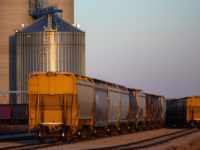
Fast, accurate, and always on time—our 24-hour rail inspection network delivers trusted, on-site results without delays or uncertainty. Whether routine or urgent, we ensure every inspection is fair, reliable, and efficient. Check out our infographic on how we are here for you.

Let's Connect
We deliver quality in all of our work, providing accurate results on time.