Eurofins US Food Announcements & News
Search >>
As regulatory expectations increase and competition intensifies across categories, brands need a certification partner that supports both scientific rigor and commercial success. The Eurofins Assurance program is designed to meet this need by helping companies move beyond basic compliance toward strategic advantage.

Acai (Euterpe oleracea) is widely used in dietary supplements and functional foods for its antioxidant-rich profile and its role in supporting healthy aging and overall wellness. As demand increases, so does the risk of adulteration. Learn how Eurofins can protect your product integrity and brand claims.

Breeding improvements, shifting growing regions, climate variability, fertilizer practices, and processing changes can alter the balance of proteins, oils, moisture, and minor constituents in canola materials. Keep reading to learn how Eurofins can help you tackle these problems when they arise.

In this Case Study, learn how Eurofins QTA helped a client dramatically improve quality control, reduce waste, and optimize kiln performance.
The United States Pharmacopeia (USP) is rolling out important updates to General Chapters <2021> and <2022> and, taking effect on April 1, 2026. For manufacturers who rely on microbiological testing to ensure product quality and regulatory compliance, understanding what’s changing and what actions are required is essential.

In today’s food and dietary supplement marketplace, trust is no longer assumed. Third-party testing and certification have become essential tools for demonstrating product safety, quality, and compliance in a credible way.

Infrared spectroscopy is a powerful analytical tool for rapid, nondestructive measurement. But despite its advantages, IR often develops a reputation for being unreliable or not accurate as primary methods. Keep reading to learn more about how to build and validate a reliable model.
When it comes to dietary supplement testing, one seemingly small detail can have outsized consequences: specifying the correct vitamin form. Understanding and communicating the exact vitamin form in your product is not just a technical necessity, it’s a strategic imperative in ensuring accurate results, timely reporting, and regulatory compliance.
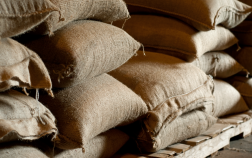
From the growing regions to the production and processing, mycotoxins pose a unique threat to the safety, quality, and marketability of coffee and spices. In this webinar, we expand upon the emerging mycotoxin risks, climate-driven contamination patterns, and the latest testing technologies to ensure compliance and protect your products. Originally Aired on November 12, 2025

A client submitted a batch of Turmeric Powder (Curcuma longa rhizome) for routine identity and quality verification. The samples were were expected to match the fingerprint of authentic turmeric reference materials. Learn how Eurofins detected detected adulteration in the client's submitted sample.
Let's Connect
We deliver quality in all of our work, providing accurate results on time.