Andrzej Benkowski
Technical Manager, Probiotics & Dietary Supplements
As the Technical Manager at Eurofins Center of Excellence for Probiotics, Andrzej Benkowski brings over 18 years of expertise in biotics quality management, testing, and technology. With a strong technical background in food microbiology, Andrzej specializes in contract R&D, method development, and pioneering technologies for probiotic evaluation.
Since 2019, Andrzej has chaired the International Probiotic Association (IPA) Technical Committee and has been a member of the IPA Board of Directors since early 2024. He also contributes to the IPA Postbiotics Committee and has served as the IPA expert liaison with the International Organization for Standardization (ISO) TC34/SC9 Working Group 11 since 2022, co-convening their Enumeration Subgroup.
Andrzej is dedicated to advancing the biotics industry by setting rigorous standards and driving innovation with a focus on quality.
Outside of his professional and scientific achievements, Andrzej is a member of the Eurofins Madison Site Employee Engagement Team and manages the Community Supported Agriculture (CSA) Program for the site. A founding member of the funk band Steez, he also plays saxophone, synthesizers, and vocals. Andrzej enjoys the outdoors, spending time with his family, and pretending to be a coffee aficionado. Additionally, he has a passion for collecting sneakers and fitted hats.
Below are resources from Andrzej:
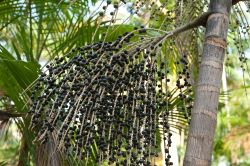
Acai (Euterpe oleracea) is widely used in dietary supplements and functional foods for its antioxidant-rich profile and its role in supporting healthy aging and overall wellness. As demand increases, so does the risk of adulteration. Learn how Eurofins can protect your product integrity and brand claims.
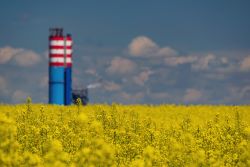
Breeding improvements, shifting growing regions, climate variability, fertilizer practices, and processing changes can alter the balance of proteins, oils, moisture, and minor constituents in canola materials. Keep reading to learn how Eurofins can help you tackle these problems when they arise.
In this Case Study, learn how Eurofins QTA helped a client dramatically improve quality control, reduce waste, and optimize kiln performance.
The United States Pharmacopeia (USP) is rolling out important updates to General Chapters <2021> and <2022> and, taking effect on April 1, 2026. For manufacturers who rely on microbiological testing to ensure product quality and regulatory compliance, understanding what’s changing and what actions are required is essential.
In today’s food and dietary supplement marketplace, trust is no longer assumed. Third-party testing and certification have become essential tools for demonstrating product safety, quality, and compliance in a credible way.
Infrared spectroscopy is a powerful analytical tool for rapid, nondestructive measurement. But despite its advantages, IR often develops a reputation for being unreliable or not accurate as primary methods. Keep reading to learn more about how to build and validate a reliable model.
When it comes to dietary supplement testing, one seemingly small detail can have outsized consequences: specifying the correct vitamin form. Understanding and communicating the exact vitamin form in your product is not just a technical necessity, it’s a strategic imperative in ensuring accurate results, timely reporting, and regulatory compliance.
From the growing regions to the production and processing, mycotoxins pose a unique threat to the safety, quality, and marketability of coffee and spices. In this webinar, we expand upon the emerging mycotoxin risks, climate-driven contamination patterns, and the latest testing technologies to ensure compliance and protect your products. Originally Aired on November 12, 2025
A client submitted a batch of Turmeric Powder (Curcuma longa rhizome) for routine identity and quality verification. The samples were were expected to match the fingerprint of authentic turmeric reference materials. Learn how Eurofins detected detected adulteration in the client's submitted sample.
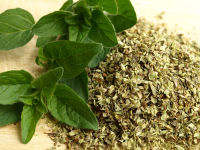
As a widely used culinary and medicinal herb, oregano is expected to meet strict botanical specifications. Read our case study to learn how Eurofins analysts used HPTLC and microscopy to uncover botanical adulteration in an oregano sample submitted for identity verification and quality assessment.