JavaScript is disabled. Please enable to continue!

Mobile search icon
More Resources >> Our People >> Gary Smith

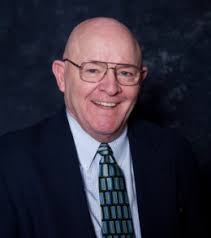
Gary Smith

Sidebar Image
Gary Smith, PhD

Gary Smith, PhD

Born and raised in Caddo County, Oklahoma, Dr. Gary Smith attended universities in California, Washington and Texas. Since 1961, he has taught and conducted research at Washington State University (WSU), Texas A&M University, and Colorado State University (CSU).

From 1961 to 1975, his research focused on beef palatability (bullocks vs. steers, carcass chilling effects on tenderness, blade tenderization, electrical stimulation of carcasses, Tenderstretch®); beef shelf life (vacuum packaging for domestic and transoceanic shipments, retail case life); and USDA Feeder Cattle Grade Standards From 1975 to 1990, his research efforts included modified atmosphere packaging of beef; transoceanic shipments of variety meats; USDA Beef Quality and Yield Grade Standards; time-on-feed and beef palatability; The Hamburger Steer®; breed types and beef palatability; beef lipids and human nutrition; National Consumer Retail beef Study; and restructured beef steaks.

From 1990 to 2015, his research focused on chemical residues in US beef; National Beef Quality Audits; International Beef Quality Audit; National Market Cow and Bull Audits; injection site lesions; Conventional, Natural, and Organic Beef; feeding Vitamin E and Beef retail case life; “Multiple-Hurdle E. coli 0157:H7 decontamination systems; implementation of HACCP programs in beef packing plants; Palatability Assurance Critical Control points; controlling Salmonella and Listeria on ready-to-eat beef; Best Practices for mitigating BSE (Mad Cow Disease) risk in packing plants; traceability systems implementation; and instrument grading of beef carcasses. Dr. Smith credits his success to colleagues and graduate students (who did the hard work) and the help of cattle feeders, packers, and retailers (who allowed them to use their facilities and products).

Dr. Smith occupied the Ken and Myra Monfort Endowed Shair in Meat Science at CSU beginning in June of 1990. Previously, he served as Professor (1969-1982) and Head (1982-1990) of the Department of Animal Science at Texas A&M where he received many awards.

  • Outstanding Teaching Performance Award,
  • Honor Professor Award
  • College of Agriculture Teaching Award
  • University Distinguished Teaching award
  • Deputy Chancellor’s Award for Team Research

Other awards and honors include:

  • International Stockmen’s Hall of Fame Induction
  • National Cattlemen’s Foundation Vision Award
  • USMEF Distinguished Service Award
  • AMSA R.C Pollock Award
  • Beefmaster Breeders United, Commitment to Excellence Award
  • Honored Researcher of the CSU Research Foundation
  • ISI Thomson Scientific’s Highly Cited Researcher
  • Beef Magazine’s top 40 Most Influential People in the US Beef Industry
  • American Hereford Association Hall of Merit Induction
  • Meat Industry Hall of Fame Induction
  • AMSA Mentor Award
  • Cattle Feeder’s Hall of Fame Award
  • College of the Sequoias, California State University-Fresno and WSU Distinguished Alumni Award
  • Certified Angus Beef Industry Achievement Award

Below are resources from Dr. Smith:


In this episode of The Scoop, host Keren Breiterman speaks with Jeff Shippar fromEurofins Food Chemistry Testing Madison, Inc. about advanced protein analysis how it ensures nutritional value, authenticity, and innovation in infant health.


In this episode of The Scoop, host Keren Breiterman speaks with Dr. Lukas Vaclavik, Technical Manager at Eurofins Food Chemistry Testing Madison, Inc, about testing innovations that ensure precision, progress, and safety in infant formula.


Whole genome sequencing is no longer just a research tool. It’s a critical asset in food safety, outbreak response, and public health protection. Read our blog to learn more about whole genome sequencing and how it helps us better understand organisms like Salmonella and Cronobacter in food and infant formula.


Discover expert insights into navigating Out-of-Specification (OOS) results and CAPA investigations. Learn key steps and strategies our technical team uses to resolve unexpected analytical outcomes effectively.


In this episode of The Scoop, host Keren Breiterman speaks with Andrezj Benkowski, Senior Technical Manager for Eurofins Chemistry Testing Laboratories - Madison, about Whole-Genome Sequencing—from its origins to its modern evolution through Next-Generation Sequencing.


In this episode of The Scoop, host Keren Breiterman speaks with Dave Ellingson, Director of Scientific Strategy for Eurofins Chemistry Testing Laboratories - Madison, about the role of phospholipids in infant formula and their importance in replicating the composition of human milk.


Phospholipids may be small molecules, but their impact is immense. By keeping them active and abundant in infant formula, we're taking one step closer to replicating the remarkable composition of human milk—and nurturing healthy development in every bottle. Click the link to learn how.


The use of real HMOs in infant formula is accelerating, driven by science, innovation, and a commitment to nourishing infants in the healthiest way possible. Enhanced testing methods are unlocking new capabilities—bringing us closer than ever to replicating the complexity and power of human milk. Click the link to learn more about HMOs.


In this episode of The Scoop, host Keren Breiterman speaks with Dave Ellingson, Director of Scientific Strategy for Eurofins Chemistry Testing Laboratories - Madison, about Human Milk Oligosaccharides (HMOs)—what they are, why they matter, and how they’re shaping the future of infant nutrition.


Low water activity foods (LWAFs) have historically been considered low-risk for microbiological hazards because their limited “free” (unbound) water in the formulation prevents bacterial growth. However, foodborne illness outbreaks revealed that pathogens can survive for extended periods in LWAFs, even in the absence of growth. Watch now to learn what is required to validate control measures to reduce microbial risks in LWAFs. Originally Aired on June 18, 2025.


<< < 1 2 3 4 5 > >>

https://www.eurofinsus.com/food-testing