Gary Smith

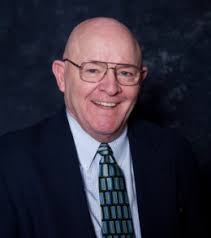
Gary Smith, PhD
Born and raised in Caddo County, Oklahoma, Dr. Gary Smith attended universities in California, Washington and Texas. Since 1961, he has taught and conducted research at Washington State University (WSU), Texas A&M University, and Colorado State University (CSU).
From 1961 to 1975, his research focused on beef palatability (bullocks vs. steers, carcass chilling effects on tenderness, blade tenderization, electrical stimulation of carcasses, Tenderstretch®); beef shelf life (vacuum packaging for domestic and transoceanic shipments, retail case life); and USDA Feeder Cattle Grade Standards From 1975 to 1990, his research efforts included modified atmosphere packaging of beef; transoceanic shipments of variety meats; USDA Beef Quality and Yield Grade Standards; time-on-feed and beef palatability; The Hamburger Steer®; breed types and beef palatability; beef lipids and human nutrition; National Consumer Retail beef Study; and restructured beef steaks.
From 1990 to 2015, his research focused on chemical residues in US beef; National Beef Quality Audits; International Beef Quality Audit; National Market Cow and Bull Audits; injection site lesions; Conventional, Natural, and Organic Beef; feeding Vitamin E and Beef retail case life; “Multiple-Hurdle E. coli 0157:H7 decontamination systems; implementation of HACCP programs in beef packing plants; Palatability Assurance Critical Control points; controlling Salmonella and Listeria on ready-to-eat beef; Best Practices for mitigating BSE (Mad Cow Disease) risk in packing plants; traceability systems implementation; and instrument grading of beef carcasses. Dr. Smith credits his success to colleagues and graduate students (who did the hard work) and the help of cattle feeders, packers, and retailers (who allowed them to use their facilities and products).
Dr. Smith occupied the Ken and Myra Monfort Endowed Shair in Meat Science at CSU beginning in June of 1990. Previously, he served as Professor (1969-1982) and Head (1982-1990) of the Department of Animal Science at Texas A&M where he received many awards.
- Outstanding Teaching Performance Award,
- Honor Professor Award
- College of Agriculture Teaching Award
- University Distinguished Teaching award
- Deputy Chancellor’s Award for Team Research
Other awards and honors include:
- International Stockmen’s Hall of Fame Induction
- National Cattlemen’s Foundation Vision Award
- USMEF Distinguished Service Award
- AMSA R.C Pollock Award
- Beefmaster Breeders United, Commitment to Excellence Award
- Honored Researcher of the CSU Research Foundation
- ISI Thomson Scientific’s Highly Cited Researcher
- Beef Magazine’s top 40 Most Influential People in the US Beef Industry
- American Hereford Association Hall of Merit Induction
- Meat Industry Hall of Fame Induction
- AMSA Mentor Award
- Cattle Feeder’s Hall of Fame Award
- College of the Sequoias, California State University-Fresno and WSU Distinguished Alumni Award
- Certified Angus Beef Industry Achievement Award
Below are resources from Dr. Smith: