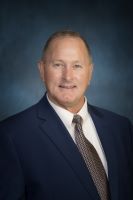
Keith Belk, PhD
Dr. Keith Belk is the Director of Eurofins’ Advanced Learning Institute and Professor and Holder of the Monfort Endowed Chair, Center for Meat Safety & Quality, Colorado State University (CSU), and as an Adjunct Professor in the Colorado School of Public Health. Previously, he served as Professor and Head of the Department of Animal Sciences at CSU. He earned B.S. and M.S. degrees from CSU, and a Ph.D. from Texas A&M University. He currently serves in a consulting role as the Director of Education for Eurofins Rapid Microbiology Laboratories, LLC. Dr. Belk is also a member of the International Committee for the National Western Stock Show, the Board of Directors for the International Stockmen’s Educational Foundation, on the Academic Advisory Committee for the Meat Institute Protein PACT, and on the technical advisory committees for Sustainable Beef, JBS, Colorado Premium Foods, and Hawkins.
Below are resources from Dr. Keith Belk:
California Proposition 65 (Prop 65), the Safe Drinking Water and Toxic Enforcement Act of 1986, remains one of the most influential chemical disclosure regulations impacting food and dietary supplements in the U.S. While it is California law, many brands apply the requirements nationwide to ensure consistency and minimize risk.
Per- and polyfluoroalkyl substances (PFAS) have become a growing focus for regulators, manufacturers, and consumers alike especially when it comes to foods intended for vulnerable populations such as infants. Learn about the importance of proactive PFAS testing and how Eurofins can help here.
California’s SB 646 represents a major advancement in prenatal supplement safety. By mandating rigorous testing and transparent reporting of heavy metal levels, the state is setting a new benchmark for protecting pregnant individuals and their developing babies.
Ethylene glycol (EG) and diethylene glycol (DEG) are toxic industrial chemicals that have no place in consumer health products. Unfortunately, products ranging from cough syrups to dietary supplements have been found to contain these contaminants, often with tragic consequences.
In the dietary supplement and ingredient industry, protecting consumer health and meeting regulatory expectations are nonnegotiable. One critical aspect of quality control is residual solvent testing. Residual solvents, volatile chemicals used during manufacturing, can remain in products if not properly removed.
Navigate pesticide MRLs with confidence. This guide explains pesticide maximum residue limits, key Maximum Residue Limits regulations, and how pesticide residue testing supports global compliance. Learn what food export MRL requirements mean for suppliers, brands, and QA teams to protect products and ensure market access.
Learn how mycotoxins like aflatoxin and ochratoxin impact food safety, and why effective mycotoxin testing and monitoring are essential for reducing contamination risks.
From the growing regions to the production and processing, mycotoxins pose a unique threat to the safety, quality, and marketability of coffee and spices. In this webinar, we expand upon the emerging mycotoxin risks, climate-driven contamination patterns, and the latest testing technologies to ensure compliance and protect your products. Originally Aired on November 12, 2025
Ensuring the safety, quality, and authenticity of dietary supplements has become increasingly complex in today’s global marketplace. To protect consumers and brands alike, robust quality systems, third-party certifications, and traceability measures are essential. This webinar highlights key integrity challenges facing the dietary supplement industry, from misleading claims to adulteration concerns, and advanced analytical solutions that address them.
Join us for a focused session on Eurofins’ new Product Certification program—designed to set a higher standard for quality and transparency across the dietary supplement, food, and retail industries. Learn why certification matters, how the process works, and what makes Eurofins uniquely qualified to deliver a seal backed by nearly 100 years of testing expertise.