


Brian’s Beef: The Food Safety Culture Bandwagon!

By Brian McFarlane
For many, food safety is an integral part of their lives, a matter of utmost importance. They live, speak, discuss, preach, budget for, and even survive for those who faced unfortunate circumstances. However, for others, food safety becomes a secondary concern when things are going well. It’s seen as an unnecessary cost until a food safety issue arises and demands immediate attention. I’ve witnessed this firsthand!
Now, let’s address the core of my “beef”! While there are differing opinions, I believe establishing a food safety culture is relatively simple and straightforward. It’s not complicated and doesn’t require extensive training. When a CEO (and it must be the top executive) prioritizes food safety as a non-negotiable top priority, even during prosperous times, it creates a stable and enduring food safety environment that leads to ultimate long-term success. While nothing is guaranteed, the likelihood and risk of food safety issues are significantly reduced. I intentionally didn’t use the term culture here either. Yes, by definition, this creates a culture. However, the term “food safety culture” has become so overused and abused that I believe it has lost its original meaning and impact.
When a CEO (and it must be the top executive) prioritizes food safety as a non-negotiable top priority, even during prosperous times, it creates a stable and enduring food safety environment that leads to ultimate long-term success.
As a top executive overseeing food production, you don’t merely support proper food safety actions; you passionately mandate their consistent occurrence. When executed effectively, food safety takes precedence in the priority list, eliminating any confusion. When a CEO experiences a significant food safety issue or recall, a wise CEO learns from the experience and proactively implements measures to prevent future occurrences. However, a truly exceptional CEO never allows such an incident to happen in the first place!
Most employees genuinely want to and will do the right thing, provided there’s no pushback or tension associated with it. The challenge lies in the fact that most people tend to opt for the easiest or least resistant path. Consequently, if the highest levels of management haven’t set and supported the appropriate expectations, the easiest path may not be the most effective food safety risk mitigation strategy.
I don’t believe this is a “culture” as people commonly refer to it, regardless of the definition. In fact, I might even argue that labeling it as a culture is merely a way to title the necessary actions in a manner that avoids offending or placing undue stress on anyone involved and minimizes the harshness of the fact that it’s an absolute requirement in food production, without exceptions.
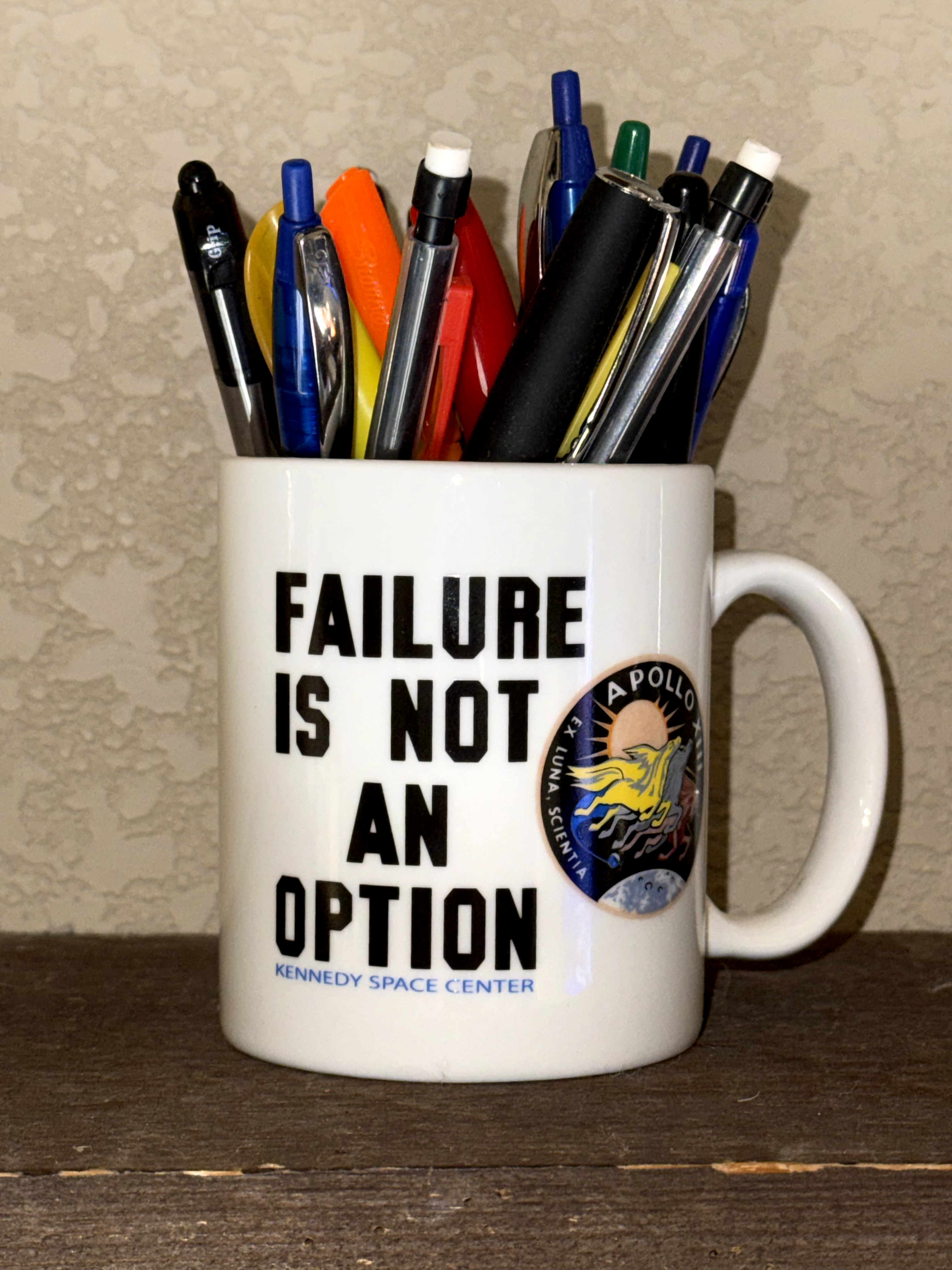 It’s as simple as providing good, focused, and concise communication, along with clarity around expectations. Additionally, this approach should include, and perhaps more importantly, explicit clarity about the consequences of failure. I still have this coffee cup on my desk, which was given to the entire department.
Let’s take this to the next level, which may make some people uncomfortable and even cause a few to label me as “old school.” However, that’s perfectly fine because that’s how I learned and why I think the way I do. I once had a boss who claimed that certain professionals intentionally created or exacerbated industry problems so they could miraculously rise to the top and provide solutions, becoming industry problem-solving heroes! I’m not sure that’s necessarily possible, but I do believe that some individuals escalate issues to bring them to the attention of the political, social, or media spotlight, which they believe creates a demand for their services. It seems that the term “food safety culture” has become a trendy phrase that now, for some reason, requires companies to have an “expert” come in and properly train their team on it. Every time you turn around, there’s a new food safety culture training, class, or expert to “help you out” and create your company’s food safety culture for you.
Most employees genuinely want to and will do the right thing, provided there’s no pushback or tension associated with it.
This situation somewhat resembles the “industry hero” scenario mentioned earlier. Here are a few questions to consider:
- Can a “culture” be effectively created in a classroom setting?
- Will a single day of training lead to meaningful change from the CEO’s existing commitments?
- Are the individuals in the training program truly the ones who need the training?
- Does this training actually remove the people on your production floor, preventing them from performing the tasks you’re referring to, protecting your plants’ food production?
- How many employees will express relief from the hectic work environment and then revert to their usual methods after the training?
Is this a topic that many are trying to overcomplicate to generate demand for their opinions and services? Honestly, I would feel guilty charging a company for a very brief, five-minute one-on-one conversation with a CEO and labeling it as a training session! This should not be considered a training session; rather, it should be seen as a discussion about whether the CEO has the right priorities and is the right person for the job. Chris Williams presented at the Meat Institute Protein Pack and asked how many minutes a week your top executives have set aside for food safety, because the only things in their calendars are their priorities - that’s a great cross-check on alignment of priorities.
If you’ve reached this point without deleting me from your network, messaging me in anger, or calling me stupid for setting the industry back 20 years, please understand the following, which I intentionally left for the end. Everyone has a social and ethical responsibility to do the right thing when it comes to food safety. I am absolutely and 110% supportive of any and all activities that help protect the food supply and ensure the safety of consumers, my friends, and my food-loving family!
I don’t call this a culture; I call it having the right people in the right positions and providing them with clear direction, giving them unquestioned authority, and the support they need to make the right decisions, even if those decisions are difficult and may not be the most popular!
Sincerely,
 Brian McFarlane – Director of Technical Services, Eurofins Rapid Microbiology Laboratories


