Our series of Best-in-Class webinars provides a quick study on various topics related to core food safety concepts. Each course is performed as a 2-hour “lunch and learn”-style presentation. Lead instructor, Mike Cramer of the Eurofins Advanced Learning Institute, delivers practical guidance and basic tools through the viewpoint of his 40+ years of experience in meat and food manufacturing.
These free webinar sessions are valuable for food industry personnel involved in all phases of food manufacturing, distribution, retail, and storage, and are critical to the foundation of a strong, well-rounded food safety culture.
MEET THE HOST
Michael Cramer | Trainer, Eurofins Advanced Learning Institute
Michael Cramer started his career at Swift & Company in Pennsylvania as a summer employee. He worked his way up to QA Manager (Pennsylvania and North Carolina), Production Specialist and Corporate Documentation Manager (Illinois) to QA Manager at the Swift-Eckrich plant in Chicago and then QA Director for the Armour processed meat and poultry plants. He then moved to Specialty Brands, Inc./Windsor Foods/Ajinomoto Foods North America where he stayed from 1993 to his retirement in 2023. There he served as Director of Food Safety and Quality assurance before being promoted to Senior Director of FSQA.
Mike is known for his in-depth knowledge of food plant sanitation and has written a book, now in its 3rd edition, “Food Plant Sanitation, Design, Maintenance and Good Manufacturing Practices.” He is also a member of the editorial board of Food Safety Magazine and has over twenty articles published dealing with Listeria control, Biosecurity, Sanitation and Sanitary Design, Sanitation 5S, and Allergens. As well, he is a contributing member of the American Frozen Foods Institute Listeria Working Group. You can find multiple Food Safety Matters podcasts and food sanitation webinars that he has led.
Upcoming Live Webinars
Sign up for one of our upcoming live sessions. Calendar already booked up during this time? No problem! Register today, and you will receive a copy of the webinar recording within three business days after the live event.
Integrated Pest Management | June 3, 2026 | Register
Recall Policy and Action Plan | June 24, 2026 | Register
Root Cause Analysis | July 15, 2026 | Coming Soon
Regulatory Response | August 5, 2026 | Coming Soon
Listeria Management | August 26, 2026 | Coming Soon
Sign up here to be notified when registration for future episodes becomes available.
On-Demand Webinars
Check out past webinars in the Best in Class webinar series below.
Important upcoming updates to USP Chapters <2021> and <2022 went into effect on April 1, 2026. These changes modify several microbiological testing requirements, including incubation times, suitability testing, and enrichment steps for specific organisms. Check out our answers to frequently asked questions about the updates.
With innovation comes complexity and with complexity comes risk. This is why laboratory testing isn’t just a box to check. For longevity products, it’s one of the most challenging and essential parts of responsible product development.
Botanical Reference Materials (BRMs) are the foundation of reliable High Performance Thin- Layer Chromatography (HPTLC) identity testing. They provide the verified chromatographic fingerprint against which botanical samples are compared. Learn how to safeguarding both industry integrity and consumer confidence.
In the world of dietary supplements, ingredient authenticity is directly linked to quality, compliance, safety, and consumer trust. With the complexity of botanical materials and the limitations of individual testing techniques, relying on a single method for identity verification can be risky. That’s where orthogonal methods come in. Read to learn more.
A client submitted a batch of Turmeric Powder (Curcuma longa rhizome) for routine identity and quality verification. The samples were were expected to match the fingerprint of authentic turmeric reference materials. Learn how Eurofins detected detected adulteration in the client's submitted sample.
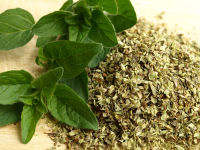
As a widely used culinary and medicinal herb, oregano is expected to meet strict botanical specifications. Read our case study to learn how Eurofins analysts used HPTLC and microscopy to uncover botanical adulteration in an oregano sample submitted for identity verification and quality assessment.
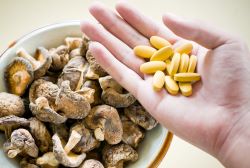
Discover how the Eurofins Botanicals and LeafWorks partnership are advancing transparency in the booming functional mushroom market with species-specific DNA ID testing. Ensure product authenticity, support label claims, and meet regulatory standards with cutting-edge qPCR assays and comprehensive analytical solutions.
In the world of dietary supplements, where natural ingredients are marketed for health and wellness, the quality and identity of botanicals are non-negotiable. Consumers rely on accurate labeling, consistent formulation, and, most importantly, safe and authentic ingredients. Continue reading to learn more about ensuring safety in botanical supplement products.
In an industry rooted in nature but constantly evolving with science, botanical supplements are experiencing a quiet revolution. Innovation isn't just about discovering exotic new plants—it's about precision, purpose, and progress at every step of product development. Check out our infographic on your botanical product's steps, from seed to shelf.
Certain seasonal botanicals may play a vital role in supporting women's health and overall wellness. Shatavari, dong quai, and milky oats are known for their deeply nurturing qualities, fostering balance, resilience, and gentle strength within the body. Click the link to continue exploring the benefits of these plants and their contributions to health and well-being.