
JavaScript is disabled. Please enable to continue!

Mobile search icon
More Resources >> Our People >> Gary Smith

Gary Smith

Sidebar Image
Gary Smith, PhD

Gary Smith, PhD

Born and raised in Caddo County, Oklahoma, Dr. Gary Smith attended universities in California, Washington and Texas. Since 1961, he has taught and conducted research at Washington State University (WSU), Texas A&M University, and Colorado State University (CSU).

From 1961 to 1975, his research focused on beef palatability (bullocks vs. steers, carcass chilling effects on tenderness, blade tenderization, electrical stimulation of carcasses, Tenderstretch®); beef shelf life (vacuum packaging for domestic and transoceanic shipments, retail case life); and USDA Feeder Cattle Grade Standards From 1975 to 1990, his research efforts included modified atmosphere packaging of beef; transoceanic shipments of variety meats; USDA Beef Quality and Yield Grade Standards; time-on-feed and beef palatability; The Hamburger Steer®; breed types and beef palatability; beef lipids and human nutrition; National Consumer Retail beef Study; and restructured beef steaks.

From 1990 to 2015, his research focused on chemical residues in US beef; National Beef Quality Audits; International Beef Quality Audit; National Market Cow and Bull Audits; injection site lesions; Conventional, Natural, and Organic Beef; feeding Vitamin E and Beef retail case life; “Multiple-Hurdle E. coli 0157:H7 decontamination systems; implementation of HACCP programs in beef packing plants; Palatability Assurance Critical Control points; controlling Salmonella and Listeria on ready-to-eat beef; Best Practices for mitigating BSE (Mad Cow Disease) risk in packing plants; traceability systems implementation; and instrument grading of beef carcasses. Dr. Smith credits his success to colleagues and graduate students (who did the hard work) and the help of cattle feeders, packers, and retailers (who allowed them to use their facilities and products).

Dr. Smith occupied the Ken and Myra Monfort Endowed Shair in Meat Science at CSU beginning in June of 1990. Previously, he served as Professor (1969-1982) and Head (1982-1990) of the Department of Animal Science at Texas A&M where he received many awards.

  • Outstanding Teaching Performance Award,
  • Honor Professor Award
  • College of Agriculture Teaching Award
  • University Distinguished Teaching award
  • Deputy Chancellor’s Award for Team Research

Other awards and honors include:

  • International Stockmen’s Hall of Fame Induction
  • National Cattlemen’s Foundation Vision Award
  • USMEF Distinguished Service Award
  • AMSA R.C Pollock Award
  • Beefmaster Breeders United, Commitment to Excellence Award
  • Honored Researcher of the CSU Research Foundation
  • ISI Thomson Scientific’s Highly Cited Researcher
  • Beef Magazine’s top 40 Most Influential People in the US Beef Industry
  • American Hereford Association Hall of Merit Induction
  • Meat Industry Hall of Fame Induction
  • AMSA Mentor Award
  • Cattle Feeder’s Hall of Fame Award
  • College of the Sequoias, California State University-Fresno and WSU Distinguished Alumni Award
  • Certified Angus Beef Industry Achievement Award

Below are resources from Dr. Smith:



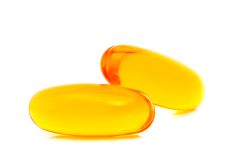
Today's sports nutrition consumers are more educated and discerning than ever before. They want confidence that supplements contain the ingredients listed on the label, deliver the stated strength, are manufactured under robust quality systems, and are free from substances prohibited in sport.


The company processes large batches of fish meat, often drying or further refining product on vessels that function as mobile processing facilities. Without rapid, on‑site testing, operators had limited visibility into moisture and composition changes occurring during production, especially while at sea. Learn how Eurofins approached this situation.


A leading pet treat and supplement manufacturer needed a faster, more reliable way to monitor product quality across multiple production lines. Their products require tight control of key nutritional and physical attributes. Here is how Eurofins QTA team helped.


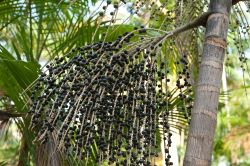
Acai (Euterpe oleracea) is widely used in dietary supplements and functional foods for its antioxidant-rich profile and its role in supporting healthy aging and overall wellness. As demand increases, so does the risk of adulteration. Learn how Eurofins can protect your product integrity and brand claims.


A dietary supplement manufacturer submitted a finished capsule product and associated raw materials for identity verification testing. The materials were labeled and supplied as Astragalus membranaceus root. Learn how our Eurofins team assisted with this request.


Breeding improvements, shifting growing regions, climate variability, fertilizer practices, and processing changes can alter the balance of proteins, oils, moisture, and minor constituents in canola materials. Keep reading to learn how Eurofins can help you tackle these problems when they arise.


In this Case Study, learn how Eurofins QTA helped a client dramatically improve quality control, reduce waste, and optimize kiln performance.


A food entrepreneur developed an innovative line of ambient, shelf stable pouched snack products that required a full retort process to achieve commercial safety and stability. While interest from retailers and distributors grew quickly, the brand faced a major obstacle - their manufacturing facility was still under construction, leaving them unable to produce at the volume needed to scale. Keep reading to learn how Eurofins can help.


A supplement manufacturer added methylcobalamin (Vitamin B12) to a product, expecting to meet label claims. However, testing revealed only ~50% of the claimed amount, triggering an out-of-spec (OOS) result. Read to learn how Eurofins Supplement Testing resolved the unexpected results.


A client submitted a batch of Turmeric Powder (Curcuma longa rhizome) for routine identity and quality verification. The samples were were expected to match the fingerprint of authentic turmeric reference materials. Learn how Eurofins detected detected adulteration in the client's submitted sample.


<< < 1 2 3 4 5 6 > >>

https://www.eurofinsus.com/food-testing