Keith Belk, PhD
Dr. Keith Belk is the Director of Eurofins’ Advanced Learning Institute and Professor and Holder of the Monfort Endowed Chair, Center for Meat Safety & Quality, Colorado State University (CSU), and as an Adjunct Professor in the Colorado School of Public Health. Previously, he served as Professor and Head of the Department of Animal Sciences at CSU. He earned B.S. and M.S. degrees from CSU, and a Ph.D. from Texas A&M University. He currently serves in a consulting role as the Director of Education for Eurofins Rapid Microbiology Laboratories, LLC. Dr. Belk is also a member of the International Committee for the National Western Stock Show, the Board of Directors for the International Stockmen’s Educational Foundation, on the Academic Advisory Committee for the Meat Institute Protein PACT, and on the technical advisory committees for Sustainable Beef, JBS, Colorado Premium Foods, and Hawkins.
Below are resources from Dr. Keith Belk:
Get key insights from the MAHA Commission’s second report, released September 9, outlining strategic steps for implementation and updates to its original findings.
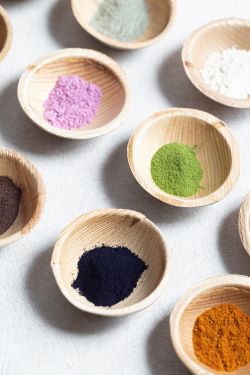
Discover why analytical testing is essential for dietary supplement and confectionery brands reformulating with natural colors—ensuring compliance, quality, and consumer trust.
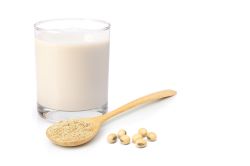
Discover how SDS-PAGE, a powerful protein analysis method, supports ingredient quality, transparency, and innovation in the food industry—from meat and dairy to plant-based products.
Discover how a leading plant-based food company partnered with Eurofins DQCI to implement a precise calibration strategy, ensuring consistent and accurate protein testing across multiple production sites.
With growing scrutiny from lawmakers and public health advocates, the once-standard GRAS (Generally Recognized as Safe) process may be on the verge of a major overhaul. In this blog, we break down what GRAS really means, why the self-affirmed process has sparked concern, and how the proposed legislation could redefine the future of ingredient approval in the U.S. food system.
Long before the MAHA Report hits the public in May 2025, lawmakers across the country aren’t waiting around. At both the state and federal levels, a wave of action is already underway driven by rare bipartisan agreement on one urgent issue: cleaning up the food supply chain. With a spotlight on protecting younger populations, the momentum is unmistakable.
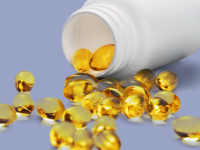
Eurofins Food Chemistry Testing, Madison and Eurofins Assurance are pleased to announce the launch of product certification designed to safeguard the quality of dietary supplements, ingredients and food. Brands, retailers, and facilities in the dietary supplements industry can leverage these new schemes to demonstrate their commitment to regulatory compliance and quality. Click to learn more about this new certification.
Product certification plays a vital role in minimizing the potential risks of adulteration, contamination, and other quality issues in your product. This infographic outlines the steps to earning the Eurofins Assurance Mark for your dietary supplement, ingredient, or food product.
With the release of the Make America Healthy Again (MAHA) report, the food and supplement industries are facing a pivotal moment. Join two of our leading experts as they unpack the report’s findings and explore what they could mean for consumer-packaged goods (CPG) companies. From reformulation strategies to enhanced ingredient scrutiny, this session will help industry professionals prepare for a wave of potential changes. Originally Recorded on August 21, 2025
In May, the Trump Administration released the Make Our Children Healthy Again report—commonly referred to as the MAHA Report. As a new conversation unfolds, let Eurofins help you dive into its implications for the food industry through a series of weekly posts. While the report spans a broad range of topics, our lens will remain focused on the food, beverage, and consumer goods sectors—where we continue to support companies navigating change and driving innovation. Keep reading to find out more on MAHA Report.