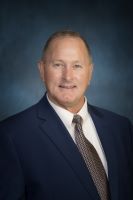
Keith Belk, PhD
Dr. Keith Belk is the Director of Eurofins’ Advanced Learning Institute and Professor and Holder of the Monfort Endowed Chair, Center for Meat Safety & Quality, Colorado State University (CSU), and as an Adjunct Professor in the Colorado School of Public Health. Previously, he served as Professor and Head of the Department of Animal Sciences at CSU. He earned B.S. and M.S. degrees from CSU, and a Ph.D. from Texas A&M University. He currently serves in a consulting role as the Director of Education for Eurofins Rapid Microbiology Laboratories, LLC. Dr. Belk is also a member of the International Committee for the National Western Stock Show, the Board of Directors for the International Stockmen’s Educational Foundation, on the Academic Advisory Committee for the Meat Institute Protein PACT, and on the technical advisory committees for Sustainable Beef, JBS, Colorado Premium Foods, and Hawkins.
Below are resources from Dr. Keith Belk:
HPTLC is a popular method for botanical identification. Click the image below to open a video and learn the basics of HPTLC and how it can benefit your products.
Eurofins Central Analytical Laboratories (CAL) offers unrivaled expertise and an ISO 17025:2017 accreditation for all aspects of tea testing, including dried and fresh tea analysis, brewed service testing, and pesticide analysis. This flyer provides an overview of ECAL's tea offerings and the benefits of testing with Eurofins.
This blog explores botanical fraud, differences between fraud and adulteration, and the use of mitigation plans to prevent fraudulent ingredients and products. Learn about the common types of fraud and steps to take to ensure safe and accurately labeled products.
Botanical supplement contamination can be dangerous, and preventing contamination starts with understanding its sources. This infographic explains different sources of contamination in a botanical supplement's life cycle - from growing in the soil to packaging and storage.
Gummy supplements continue to trend among consumers, but this matrix can be challenging to test. How does Eurofins address these challenges? Read about the answer from Jeff Stassi, Sr. Analytical Services Manager with Eurofins Food Chemistry Testing in Madison, WI.
Phytochemicals are chemicals derived from plants used to test the purity, composition, adulteration, and potency of botanical products. Discover how plant chemistry shapes and motivates botanical product authentication.
Ethylene oxide is gaining attention in the food regulatory space. EtO was banned as a food fumigant in 1991 in the EU. While ethylene oxide is not banned for use in foods in the United States, it is important to understand the allowed tolerances in the US and EU, especially as regulations continue to evolve and online sales contribute to increasing overseas exports. This article outlines the uses and toxicity of EtO, US and EU regulations, and EtO analysis at Eurofins.
Food fraud is a widespread and worldwide problem. Watch this video to learn more about which products are most frequently impacted, and how it can impact your business.
This article outlines what ISO 17025:2017 is, and why it is important to choose an accredited lab for testing. An FAQ section details the process and technicalities of ISO accreditations and emphasizes the role of accreditations in providing reliable results.
We are pleased to present the attached method summary for multiresidue pesticide analysis. This method is in accordance with USP 561 and EP 2.8.13. Click to learn more about the pesticides covered with this method and their limits according to USP monographs.