Videos
Search >>
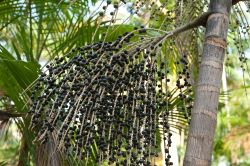
Acai (Euterpe oleracea) is widely used in dietary supplements and functional foods for its antioxidant-rich profile and its role in supporting healthy aging and overall wellness. As demand increases, so does the risk of adulteration. Learn how Eurofins can protect your product integrity and brand claims.

A dietary supplement manufacturer submitted a finished capsule product and associated raw materials for identity verification testing. The materials were labeled and supplied as Astragalus membranaceus root. Learn how our Eurofins team assisted with this request.

Breeding improvements, shifting growing regions, climate variability, fertilizer practices, and processing changes can alter the balance of proteins, oils, moisture, and minor constituents in canola materials. Keep reading to learn how Eurofins can help you tackle these problems when they arise.
In this Case Study, learn how Eurofins QTA helped a client dramatically improve quality control, reduce waste, and optimize kiln performance.
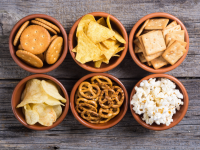
A food entrepreneur developed an innovative line of ambient, shelf stable pouched snack products that required a full retort process to achieve commercial safety and stability. While interest from retailers and distributors grew quickly, the brand faced a major obstacle - their manufacturing facility was still under construction, leaving them unable to produce at the volume needed to scale. Keep reading to learn how Eurofins can help.

A supplement manufacturer added methylcobalamin (Vitamin B12) to a product, expecting to meet label claims. However, testing revealed only ~50% of the claimed amount, triggering an out-of-spec (OOS) result. Read to learn how Eurofins Supplement Testing resolved the unexpected results.

A client submitted a batch of Turmeric Powder (Curcuma longa rhizome) for routine identity and quality verification. The samples were were expected to match the fingerprint of authentic turmeric reference materials. Learn how Eurofins detected detected adulteration in the client's submitted sample.

After months of fine-tuning flavor, texture, and active ingredients, a new nutritional formula was ready for scale-up. This case study explores the successful transition from lab-scale to full-scale production—preserving product integrity across thousands of gallons.
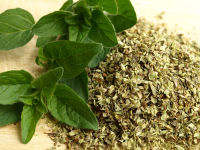
As a widely used culinary and medicinal herb, oregano is expected to meet strict botanical specifications. Read our case study to learn how Eurofins analysts used HPTLC and microscopy to uncover botanical adulteration in an oregano sample submitted for identity verification and quality assessment.
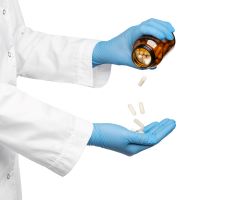
Explore a real-world OOS case study where collaborative investigation revealed formulation challenges as the root cause. Learn how targeted troubleshooting helped a client improve product consistency and manufacturing protocols.
Let's Connect
We deliver quality in all of our work, providing accurate results on time.