Resources
Search >>
Search >>

You believe in your ingredient. You’ve seen the research, tested the science, and refined the story. But for buyers, belief isn’t enough—it needs to be experienced. That’s where a pilot plant makes all the difference. Read our blog to learn about the value of a pilot plant for ingredient suppliers.

How is protein quality determined and how is protein content assessed for food labeling? What is an Amino Acid Score? These questions are all answered in our blog about how PDCAAS shapes nutritional claims.
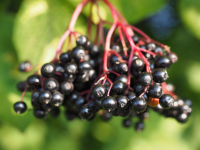
HPTLC is more than just a laboratory technique; it’s a cornerstone of quality assurance in botanical testing. This article delves into the information that should accompany your sample, explaining its scientific significance and role in meeting regulatory standards, in order to ensure accurate analysis.

High-value edible oils like olive oil and avocado oil command premium prices for their flavor and health benefits. However, their value also makes them targets for degradation and food fraud. Read our blog about two complimentary testing approaches essential to protecting your customers and brand: quality testing and authenticity testing.

Regulatory agencies such as the FDA and the Alcohol and Tobacco Tax and Trade Bureau (TTB) have recently proposed and/or finalized several regulations pertaining to the labeling of food & beverages. Read our blog for a straight-forward explanation of the latest updates.
Let's Connect
We deliver quality in all of our work, providing accurate results on time.