Resources
Search >>
Search >>

Serving size errors are among the most common FDA labeling violations. FDA requirements related to RACCs, household measures, dual-column labeling, and multi-component foods are often misunderstood or misapplied. Learn how Eurofins Nutrition Analysis Center is helping with this issue.
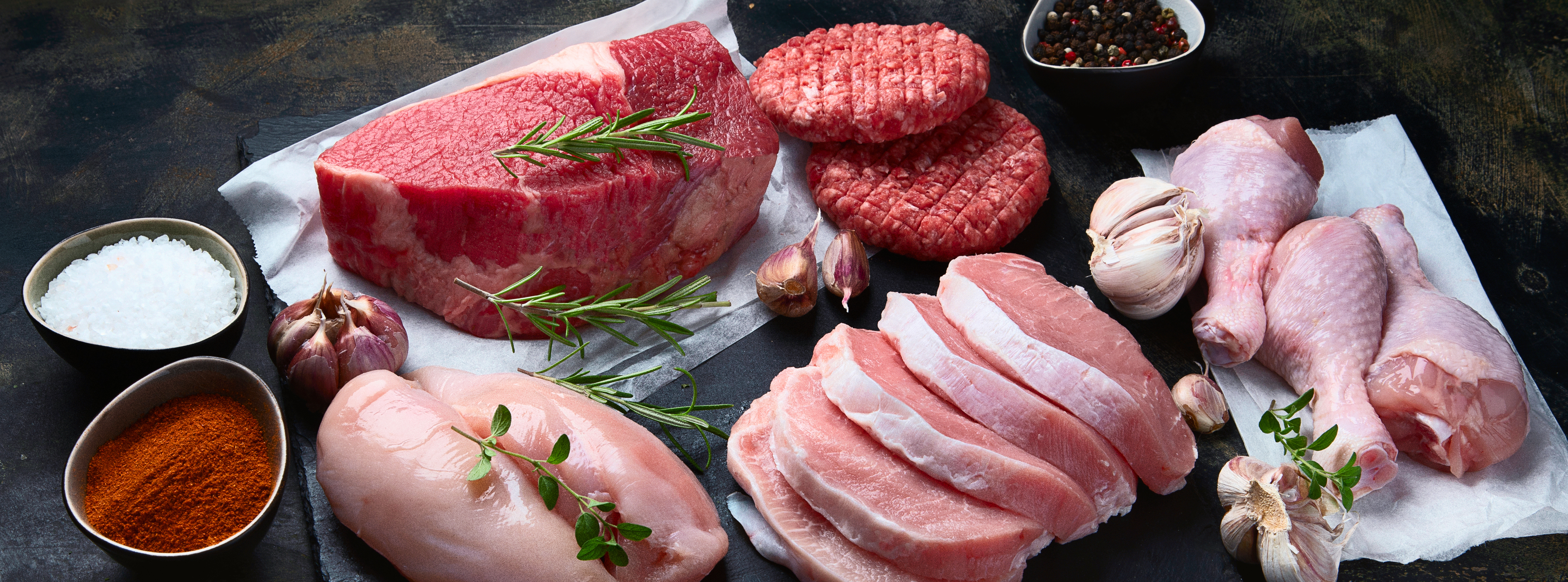
From food fraud investigations to export compliance failures, meat species identification has become an essential component of modern food safety and supply chain verification. For manufacturers, retailers, and regulators alike, accurate species verification helps prevent both intentional adulteration and unintentional cross species contamination during processing and distribution.

California Proposition 65 (Prop 65), the Safe Drinking Water and Toxic Enforcement Act of 1986, remains one of the most influential chemical disclosure regulations impacting food and dietary supplements in the U.S. While it is California law, many brands apply the requirements nationwide to ensure consistency and minimize risk.
As regulatory expectations increase and competition intensifies across categories, brands need a certification partner that supports both scientific rigor and commercial success. The Eurofins Assurance program is designed to meet this need by helping companies move beyond basic compliance toward strategic advantage.

For co-packers, efficiency is everything. Commercial manufacturing lines are designed to manufacture products—not develop them. Eurofins Product Development & Innovation (EPDI) serves as a development partner for co-packers by taking on the early-stage work before commercialization. Keep reading to learn the benefits of the EPDI's process.
Let's Connect
We deliver quality in all of our work, providing accurate results on time.