Resources
Search >>
Search >>

In May, the Trump Administration released the Make Our Children Healthy Again report—commonly referred to as the MAHA Report. As a new conversation unfolds, let Eurofins help you dive into its implications for the food industry through a series of weekly posts. While the report spans a broad range of topics, our lens will remain focused on the food, beverage, and consumer goods sectors—where we continue to support companies navigating change and driving innovation. Keep reading to find out more on MAHA Report.
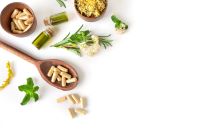
In the world of dietary supplements, where natural ingredients are marketed for health and wellness, the quality and identity of botanicals are non-negotiable. Consumers rely on accurate labeling, consistent formulation, and, most importantly, safe and authentic ingredients. Continue reading to learn more about ensuring safety in botanical supplement products.
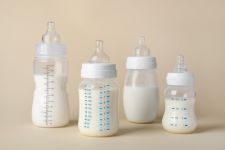
Phospholipids may be small molecules, but their impact is immense. By keeping them active and abundant in infant formula, we're taking one step closer to replicating the remarkable composition of human milk—and nurturing healthy development in every bottle. Click the link to learn how.

When you're dealing with a complex matrix, the real question isn’t “Can it be tested?”—it's “What are you hoping to uncover?” Many things can be tested, but the answers depend on asking the right questions. Learn more about testing complex botanical matrices by clicking the link.
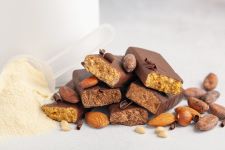
Creating shelf-stable nutritional bars and other natural food products is about understanding the science behind food preservation, taste and appearance. One of the most critical factors in the formulation of long-lasting, safe and appealing products is water activity. Water activity plays a major role in maintaining texture, reducing the rate of fats oxidation preventing spoilage and ensuring safety from microbial growth. Keep reading to learn what is being done to create a longer shelf life.
Let's Connect
We deliver quality in all of our work, providing accurate results on time.