Resources
Search >>
Search >>

Explore the leading causes of childhood and adolescent obesity—from ultra-processed foods and excessive sugar to sedentary lifestyles, parental influence, mental health, and governmental policy—and learn evidence-based guidance to support healthier nutrition and habits for kids.

Over the past decade, non-alcoholic and alcohol-free beverages have experienced a steady rise in popularity. As this trend continues to gain momentum, it is essential for both producers and consumers to understand the relevant analytical requirements and labeling terminology. Read more for a simple explanation of labeling terms and the agencies that oversee alcoholic and non-alcoholic beverage labeling.

What is required on a pet supplement label? It depends on your product type and claims. This infographic guides you through key questions to ask when determining what is required for your pet supplement label.

The goal of the FDA's proposed rule for Front-of-Package (FOP) nutrition labeling is to require easily noticeable and obvious nutrition information. Check out our infographic about the FDA's proposed rule for front-of-package (FOP) nutrition labeling.

Phytochemicals are chemicals derived from plants used to test the purity, composition, adulteration, and potency of botanical products. Discover how plant chemistry shapes and motivates botanical product authentication.

TMR is a high-moisture, non-homogenous sample matrix. This mixture of feed ingredients is challenging to mill and blend for good lab testing. Watch our case study video to learn more.

Learn valuable tips about Allergen Management through Environmental Monitoring from Dr. Doug Marshall.
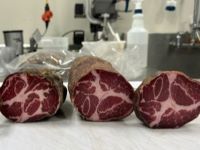
Explore how to comply with FSIS guidance for ready-to-eat fermented, salt-cured, and dried products with an effective validation study balancing scientific rigor, processing expertise, and craftsmanship. This article outlines how to achieve the right balance in your validation approach and how strong, data‑driven studies ultimately enhance the safety, consistency, and reliability of dried and fermented meat products.

There has been a lot of talk about the Dietary Guidelines for Americans (DGA) that have been recently published. Despite being promoted as a major departure, the updated guidelines mix a few foundational changes with many recurring themes from earlier publications.

For manufacturers and brand owners, dietary fiber is more than a buzzword, it’s a key driver of product positioning, consumer trust, and regulatory compliance. But not every ingredient marketed as “fiber” qualifies under FDA standards. Keep reading to learn more about why understanding fiber is so important.
Let's Connect
We deliver quality in all of our work, providing accurate results on time.