Resources
Search >>
Search >>

Your CBD and hemp-derived multiple-use cosmetic and personal care products that contain preservatives need to be tested to assure the preservation, or antimicrobial action is adequate to fight the introduction of microorganisms.

This analysis compares BACGene Real-Time PCR and BAX® System PCR Methods for the Detection of Salmonella in Pet Food.

Foreign materials in products can be dangerous to consumers and damage a brand's reputation. At Eurofins, we have the expertise and experience to handle all kinds of foreign material investigations, including issues in pharmaceuticals and dietary supplements. This case study outlines how we used soot, ash, and char analysis to help a client avoid weeks of factory closure following a small fire.

This publication will cover two additional important points: 1.) How to choose the right calibration set for your application 2.) What criteria you must have for optimal calibration samples

To address the industrial needs for rapid and economic analysis of steviol glycoside products we developed and validated a method. This method has the potential to be adapted as an industrial standard for the rapid and economic analysis for testing steviol glycosides.

Eurofins Microbiology and Dr. Doug Marshall present The Evils of False Positives and False Negatives in Pathogen Testings.

Microbiological specifications are tools used to help manage risk in a food business. A specification defines the limits of acceptable and unacceptable conditions at important decision points in the manufacturing and distribution continuum, from ingredient specifications to final product specifications. In this white paper we will explore the types, uses, and creation of microbiological specifications.

The reclassification of the genus Lactobacillus into 25 different genera has direct implications for the probiotic industry. This webinar describes the rationale behind the name change, what it means for the industry, how the taxonomy update will be implemented, and why it is a good thing for the consumer.
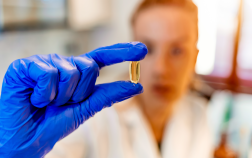
Ensuring the safety, quality, and authenticity of dietary supplements has become increasingly complex in today’s global marketplace. To protect consumers and brands alike, robust quality systems, third-party certifications, and traceability measures are essential. This webinar highlights key integrity challenges facing the dietary supplement industry, from misleading claims to adulteration concerns, and advanced analytical solutions that address them.
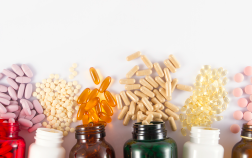
Join us for a focused session on Eurofins’ new Product Certification program—designed to set a higher standard for quality and transparency across the dietary supplement, food, and retail industries. Learn why certification matters, how the process works, and what makes Eurofins uniquely qualified to deliver a seal backed by nearly 100 years of testing expertise.
Let's Connect
We deliver quality in all of our work, providing accurate results on time.